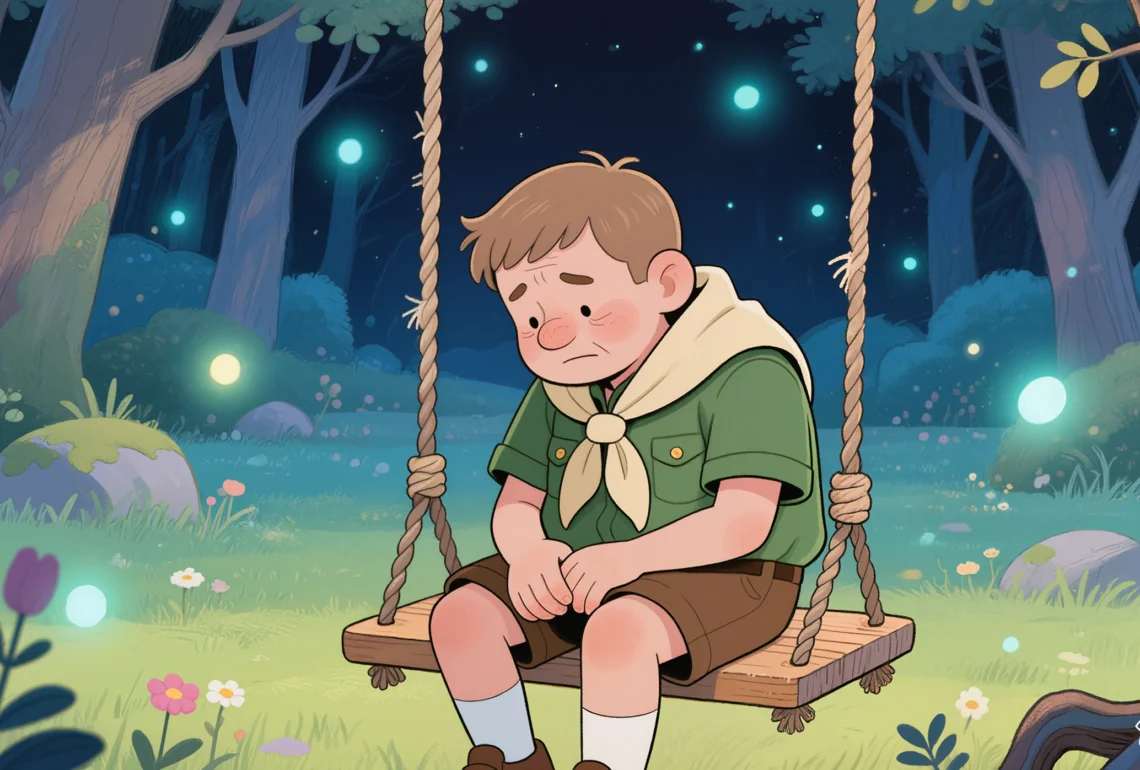
Some wounds leave no visible scar. They hide behind laughter, behind grades, behind the polite smile you put on every morning. Take a boy in a suburban American town whose father came home drunk more nights than not, slamming doors and breaking the fragile peace. Or a girl whose mother only knew how to love through control, manipulation, and a sharp tongue. They look normal from the outside—well-fed, well-dressed, Instagram-ready—but inside, a storm quietly rages.
Childhood trauma doesn’t always announce itself. It sneaks in through missed hugs, through words that linger longer than they should, through silences heavy with judgment. The schoolyard bully, the neighbor who crosses the line, the teachers who “don’t notice,” the endless pressure to perform—these are tiny cracks in the foundation. Many adults carry these cracks for decades, often denying they are there. “It’s fine,” they say. “I’m over it.” Meanwhile, old fears still whisper in the middle of the night.
In America, the fantasy of the perfect childhood is everywhere: family BBQs, smiling kids on billboards, TikToks promising wholesome memories. Reality is messier. Some children wake up to chaos, some to cold neglect, some to invisible expectations. And yet, denial is powerful. It whispers: “If I ignore it, it will go away.” But trauma isn’t polite—it doesn’t disappear with time. It grows roots in the nervous system, in your reactions, in the patterns you don’t even notice.
Think about it: a child afraid to speak up because home is unpredictable. A child learning love through fear and manipulation. A child craving connection but finding only control or absence. That’s the reality for millions of Americans. And that boy, that girl—you might recognize them in yourself.
And here’s the kicker: most never even call it trauma. They call it life. They justify, rationalize, bury emotions in work, food, scrolling, or self-improvement books stacked high on the nightstand. The storm is silent, but it’s still there.
What Childhood Trauma Really Is — Beyond Labels
Trauma isn’t the same as a diagnosis. It’s not always something a therapist can put a neat label on. It’s the echo of unmet needs, of fear that never left, of confusion turned into a quiet, constant hum in the background of your life. Some kids grow up anxious, others numb. Some become perfectionists, others rebels. Trauma shapes the paths you walk, sometimes invisibly, sometimes like a shadow that stretches across every choice.
Imagine a child who learned that love comes with conditions—good grades, perfect manners, constant obedience. That child might grow into an adult terrified of failure, a perfectionist trapped in a cycle of self-criticism. Or a child whose parent was unpredictable—warm one moment, explosive the next—may grow into someone hyper-vigilant, always scanning for danger that isn’t even there. These are the variants of a wounded mind: anxiety, depression, perfectionism, avoidance, or even the ability to numb the world with work, food, or endless scrolling.
Not all trauma becomes pathology. Some children adapt. Some survive with remarkable resilience, building shields and coping mechanisms that seem to work—but underneath, the nervous system still carries the story. That story whispers: I am not safe. I am not enough. I must hide. And when ignored, these whispers can grow louder, shaping adult relationships, career choices, even self-worth.
Yet trauma is not fate. It is not a prison sentence. It is a set of unprocessed experiences, memories, and emotions that demand attention. Some will stay hidden forever if ignored, others may resurface in moments of stress, in patterns you can’t break, in emotions you cannot explain. The first step to healing is seeing it for what it is—acknowledging the storm that never quite stopped raging.
How the Psyche Holds Trauma. The Unlived Emotions
Childhood trauma is not just a memory—it’s a body memory, a stored pattern, a silent instruction your nervous system learned long before words made sense. Imagine a little girl who lived with a mother who criticized every choice, every laugh, every sigh. Or a boy whose father drank too much, swung between warmth and rage, leaving a trail of unpredictability in every heartbeat. Their minds didn’t just observe—they learned, adapted, and survived.
But survival comes at a cost. Trauma becomes a collection of unlived emotions: anger that never erupted, sadness that never cried itself out, fear that never found safety. The psyche tries to protect itself by burying these feelings, building walls and routines, perfectionism, overachievement, or emotional numbing. A dinner with friends might trigger anxiety, a compliment might feel suspicious, and love can feel like a gamble with invisible rules.
Healing often begins with noticing these patterns. A grown adult might feel waves of inexplicable shame, sudden rage, or chronic emptiness—echoes of the past speaking in a language we forgot we knew. Attempts to self-heal—journaling, meditation, therapy, even scrolling TikTok for advice—can touch the surface, but the real work is deeper: the body, the nervous system, the buried emotions.
Picture a scene: a young adult in the kitchen, chopping vegetables, when a comment from a parent decades ago surfaces like smoke—“You’ll never be good enough.” A flash of anger rises, then guilt, then the familiar numbness. This is how trauma lingers. It doesn’t announce itself with banners. It whispers, sabotages, hides in plain sight. And until those emotions are fully acknowledged, the psyche remains in a holding pattern, waiting for release.
Healing, then, is not erasing the past—it is living the emotions that were never lived. Rage, sadness, fear, grief—they are not enemies. They are the keys. Unlocking them does not mean collapsing; it means finally standing fully in your own body, your own life, your own reality.
The Parent’s Role — Helping a Child Live Four Core Emotions
Children don’t need perfect parents—they need present ones. The boy whose father shouted, the girl whose mother dismissed every tear, both learned early that feelings could be dangerous. And so, they shut down, hid, adapted. That’s where the work of a parent—or any caring adult—comes in: helping a child, or even your inner child as an adult, fully experience four core emotions: anger, sadness, fear, and joy.
Anger. It’s not about exploding or scaring people—it’s about recognition. Anger is a signal, a boundary alert, a compass pointing to injustice. Let your child feel it, without shame. “Yes, you’re mad, and that’s okay,” is more powerful than any lesson about being ‘nice.’
Sadness. Tears are not weakness—they are a release valve for the heart. Children (and adults) who are shamed for sadness carry it inside, silent and corrosive. Sitting through a sobbing child—or sitting with your own grief—teaches that emotions can exist without destroying you.
Fear. Fear is the body speaking. Helping a child feel fear safely—acknowledge it, name it, stay present—teaches trust in themselves and in the world. “Yes, that feels scary. You’re safe here,” is the language of courage.
Joy. Often overlooked, joy is the antidote to trauma. Celebrate the small wins. Dance in the kitchen. Laugh until your stomach hurts. Children who learn that happiness is safe will carry it into adulthood.
Parents who ignore these four emotions—or worse, punish or belittle them—leave a legacy of repression. But even as adults, you can go back. You can learn to sit with your own anger, grieve your old losses, face your fears, and reclaim joy.
The parent’s role is deceptively simple: witness, validate, hold space. No lectures, no ‘fixing,’ no judgment. Just presence. The emotional muscles you help a child—or yourself—develop now, become the foundation for resilience, intimacy, and freedom later.
Because trauma doesn’t vanish magically. But when emotions are lived fully, consciously, courageously, the body and psyche begin to unclench. And that is where real healing starts.
What Rebirth Means — Acknowledgment and Forgiveness
Healing isn’t about forgetting. It isn’t about rewriting the past or pretending it didn’t happen. Real rebirth begins with acknowledgment. Look at the child you once were—the one who was ignored, dismissed, or hurt—and say: I see you. I hear you. You mattered then, and you matter now.
Acknowledgment is the first crack in the armor of trauma. It’s a quiet rebellion against the years spent denying your own pain. Many adults keep themselves small, walking through life as if nothing ever happened. But the truth is, what we refuse to see controls us. The scars, the anxieties, the gut-tightening fear—these are signals, not failures.
Forgiveness is the next step. And let’s be real: it’s not about letting abusers off the hook. It’s not a hall pass for anyone else’s cruelty. Forgiveness is for you. It’s the act of unclenching your fists, releasing the rage and resentment that have been poisoning your inner life. Forgiveness is saying: I will no longer allow what happened to dictate my worth, my joy, or my future.
Think of rebirth as stepping out of a dark, claustrophobic room and into a sunlit courtyard. You carry the memory, yes—but you are no longer bound by it. Your heart, once closed and protective, begins to open. Vulnerability becomes a strength, not a liability. And with each small act of acknowledgment and self-forgiveness, you reclaim a piece of yourself that was lost in childhood.
Rebirth is messy, not neat. It takes courage to face old wounds, to sit with pain that once seemed unbearable. But every time you do, you plant a seed of freedom. A seed that grows into self-compassion, resilience, and the ability to live fully.
Because trauma isn’t a life sentence. It’s a chapter. And acknowledgment and forgiveness? They are the pen in your hand, ready to write the next one.
10 Signs You’re Carrying Childhood Trauma
Trauma isn’t always obvious. Sometimes it whispers, sometimes it yells—but either way, it shapes the way you live. Here are ten signs that your childhood experiences might still be running the show:
-
Perpetual Anxiety – You feel on edge for no clear reason. Your body remembers threats your mind has forgotten.
-
Difficulty Trusting Others – You second-guess intentions, even with people who deserve your trust.
-
Emotional Numbness – You struggle to feel joy or sadness fully. Life feels flat or muted.
-
People-Pleasing – Your self-worth depends on others’ approval. You say yes when you mean no.
-
Self-Sabotage – You chase goals, then trip yourself up at the finish line. Subconsciously, you believe you don’t deserve success.
-
Anger Outbursts – Tiny triggers set you off. Childhood anger left unprocessed lives in your reactions.
-
Avoidance of Intimacy – You pull back, hide, or build walls to protect a heart that once got hurt.
-
Addictive Behaviors – Overeating, overspending, social media binging, or alcohol—anything to dull unresolved pain.
-
Difficulty Setting Boundaries – Saying “no” feels impossible; your needs feel less important than others’.
-
Chronic Shame or Guilt – You carry blame like a backpack you never packed. You’re haunted by “I should have” and “I’m not enough.”
If even a few of these feel familiar, congratulations: you’re human. And also, you’re a candidate for real change. Recognizing the signs is the first step toward reclaiming yourself.
Trauma doesn’t define you—it signals you. It says: Pay attention. Heal. Grow. And you can.
Life After Trauma — How to Be
Healing doesn’t mean forgetting. It doesn’t mean pretending nothing happened. Life after trauma is about learning to live fully, even with the echoes of the past. Here’s what that looks like:
-
Owning Your Story – You don’t have to relive it every day, but you acknowledge what happened. You stop hiding from your own history.
-
Feeling Your Emotions – Sadness, anger, fear, joy—they’re all yours. You don’t shove them down. You feel them without judgment.
-
Choosing Your People – Relationships become conscious choices, not automatic patterns. You surround yourself with people who respect your boundaries.
-
Creating Safety – Physical, emotional, and mental safety are non-negotiable. Your home, your mind, your routine—these are your sacred spaces.
-
Setting Boundaries – Saying “no” becomes a muscle. Saying “yes” is intentional, not automatic.
-
Discovering Purpose – Trauma often buries curiosity and playfulness. Reconnect with what makes you feel alive.
-
Self-Compassion – You stop punishing yourself for surviving. You treat yourself like someone you love.
-
Mindfulness & Presence – Life after trauma isn’t about escaping the past or controlling the future—it’s about showing up here, right now, fully.
-
Rituals of Rebirth – Small daily acts—journaling, meditation, creative expression—signal to your brain and heart: “I am here. I am alive. I am growing.”
-
Embracing Imperfection – Life after trauma isn’t perfect. And that’s exactly the point. You can stumble, fall, fail—and still move forward.
The truth? Life after trauma is radically alive. It’s messy, it’s beautiful, it’s real. And yes, it’s terrifying sometimes—but so is waking up to the realization that you’ve been running from yourself for decades.
You’ve got one life. Trauma doesn’t have to be the director. You can take the lead.
Ways to Heal Childhood Trauma
Healing isn’t magic. There’s no overnight fix. But there are proven, practical ways to reclaim your life. Here’s a roadmap:
1. Therapy — The Real Work
-
Trauma-focused therapy: EMDR, Somatic Experiencing, or CBT tailored for trauma.
-
Why it works: You learn to process emotions safely, rather than burying them.
-
Reality check: Therapy is uncomfortable. It forces you to meet parts of yourself you’ve been avoiding. That’s the point.
2. Journaling & Reflection
-
Daily writing is not fluffy—it’s clarity in ink.
-
Write about feelings, memories, triggers. Label them. Understand the patterns.
-
Tip: Don’t just journal events. Journal emotions—anger, grief, shame, even tiny joys.
3. Mind-Body Practices
-
Trauma isn’t only in the mind. It lives in your body.
-
Yoga, breathwork, tai chi, or dance can release tension you didn’t know was trapped.
-
Even a 10-minute morning stretch can signal: “I’m safe. I’m present.”
4. Building Boundaries
-
Childhood trauma often teaches us to over-give, over-explain, or disappear.
-
Practice saying no. Protect your time, energy, and heart.
-
Your “no” is your power. Your “yes” is your choice.
5. Support Systems
-
Isolation fuels trauma cycles.
-
Find friends, mentors, or support groups who get it. Even online communities count.
-
The key: connection without judgment, without manipulation, without old family scripts.
6. Creative Expression
-
Art, music, writing, even cooking—these are safe channels for feelings too big for words.
-
Don’t worry about talent. The act of creation itself is the medicine.
7. Mindfulness & Grounding
-
Meditation isn’t about emptying your mind—it’s about returning to the present.
-
Grounding exercises: touch something real, breathe deeply, name five things around you. Trauma lives in the past; grounding brings you back to now.
8. Educate Yourself
-
Read, watch, listen. Knowledge is power over your own brain and body.
-
Recommended resources (non-academic, approachable):
-
The Body Keeps the Score by Bessel van der Kolk
-
Healing from Hidden Abuse by Shannon Thomas
-
Complex PTSD: From Surviving to Thriving by Pete Walker
-
-
These books aren’t fluff—they give language to what you’ve lived, which is the first step to freedom.
9. Small Daily Wins
-
Healing is micro, not mega.
-
Celebrate when you notice triggers without acting out.
-
Celebrate when you express anger without guilt.
-
Celebrate when you enjoy something fully, without shame.
10. Radical Self-Compassion
-
Stop punishing yourself for surviving.
-
Treat yourself like someone who deserves love, safety, and respect.
-
This isn’t soft—it’s a revolution against your inner critic.
I Want to Heal Myself! — Books and Practices
So you’re saying: “I’m done waiting. I want to heal, now.”
Good. That’s the fire you need. Healing yourself is possible—but it’s not about magic, it’s about method, curiosity, and courage.
1. Books That Change the Game
Knowledge is power—and reading is like holding a map to your own brain. Start with:
-
The Body Keeps the Score – Bessel van der Kolk
Why: Shows how trauma lives in the body. Gives real-world strategies to release it. -
Complex PTSD: From Surviving to Thriving – Pete Walker
Why: Explains the patterns, triggers, and how to stop self-sabotage. -
Healing from Hidden Abuse – Shannon Thomas
Why: For those with toxic parents or narcissistic caregivers. Validates your pain and gives steps forward. -
Attached – Amir Levine & Rachel Heller
Why: Understanding attachment can explain your adult relationship patterns and help rewrite them. -
Radical Acceptance – Tara Brach
Why: Teaches how to meet yourself with compassion without giving up on growth.
2. Daily Practices That Work
Healing isn’t a one-off—it’s ritual and habit.
a) Journaling Ritual
-
Write for 10–15 minutes every morning or night.
-
Track feelings, not just events. Name anger, sadness, joy, shame.
-
Example prompt: “What did I feel today that scared me or surprised me?”
b) Somatic Exercises
-
Trauma often hides in your body. Try:
-
Deep diaphragmatic breathing
-
Grounding (touch a surface, name objects, feel textures)
-
Gentle yoga or stretching
-
-
Bonus: “shake it out” method—literally shake limbs to release tension.
c) Mindfulness & Meditation
-
Even 5 minutes counts.
-
Notice thoughts without judgment. Focus on breath or senses.
-
The goal: train your nervous system to exist in safety.
d) Self-Compassion Practice
-
Talk to yourself like a parent who loves you.
-
Replace “I’m broken” with “I am learning, and I matter.”
-
Write affirmations or sticky notes—small reminders work.
e) Creative Expression
-
Painting, drawing, music, cooking, writing—whatever speaks to you.
-
The act itself is therapy. Not talent. Not judgment. Just expression.
3. Online & Group Resources
-
Support groups: find trauma-focused communities online. Reddit’s r/CPTSD, local therapy groups, or online meetups.
-
Workshops & courses: EMDR or somatic therapy webinars, guided meditations, or journaling programs.
4. Daily Checkpoints
-
Healing isn’t linear. But small wins compound.
-
Notice:
-
You handled a trigger without panic.
-
You spoke up instead of shrinking.
-
You allowed joy without guilt.
-
-
Celebrate these. They’re proof your nervous system is rewiring.
5. Radical Responsibility
-
No one can do this for you. Not parents, therapists, friends.
-
But you can do it. Each day you practice, each emotion you face, each truth you accept is a victory.
Call to Action — Step Into Your Healing
So here’s the deal: you’ve read, you’ve thought, you’ve maybe even felt a little uncomfortable. Good. That’s the point. Healing isn’t comfortable. Growth isn’t gentle. Change isn’t polite.
But you can take the first real step today. Not tomorrow. Not next week. Today.
1. Pick One Thing
-
One book. Open it. Start reading.
-
One journaling session. Write without filtering.
-
One breathing exercise. Five minutes. No excuses.
The smallest action is still momentum. Momentum is everything.
2. Face One Emotion
-
Don’t push it away. Don’t numb it with scrolling or snacks.
-
Name it. Sit with it. Let it breathe. Let it move through you.
This is your homework from life—and yes, you’re capable of doing it.
3. Get Help When Needed
-
Therapists, coaches, online communities—don’t treat these as “weakness.”
-
Smart, strong people use tools. You’re not failing if you ask for support.
4. Commit to Yourself
-
You survived your childhood. You survived the pain.
-
Now survive your own fears, resistance, and avoidance.
-
Commit to growth like it’s a mission—because it is. Your life is waiting.
5. Make It Real
-
Bookmark the practices.
-
Schedule your journaling or meditation.
-
Buy that first book.
-
And if you’re ready, take the bigger leap: enroll in courses, workshops, or coaching that guide you step by step.
Closing Thought
You are the only person who can truly unlock your own healing. It’s not about being perfect. It’s not about rushing. It’s about showing up every day, honestly, and without apology.
So here’s your nudge, your gentle kick in the ass:
- Stop waiting for a sign.
- Stop waiting for someone else to fix you.
- Step into your life, step into your healing, step into your freedom.
Your future self will thank you. And trust me—they are cheering for you, right this second.
